
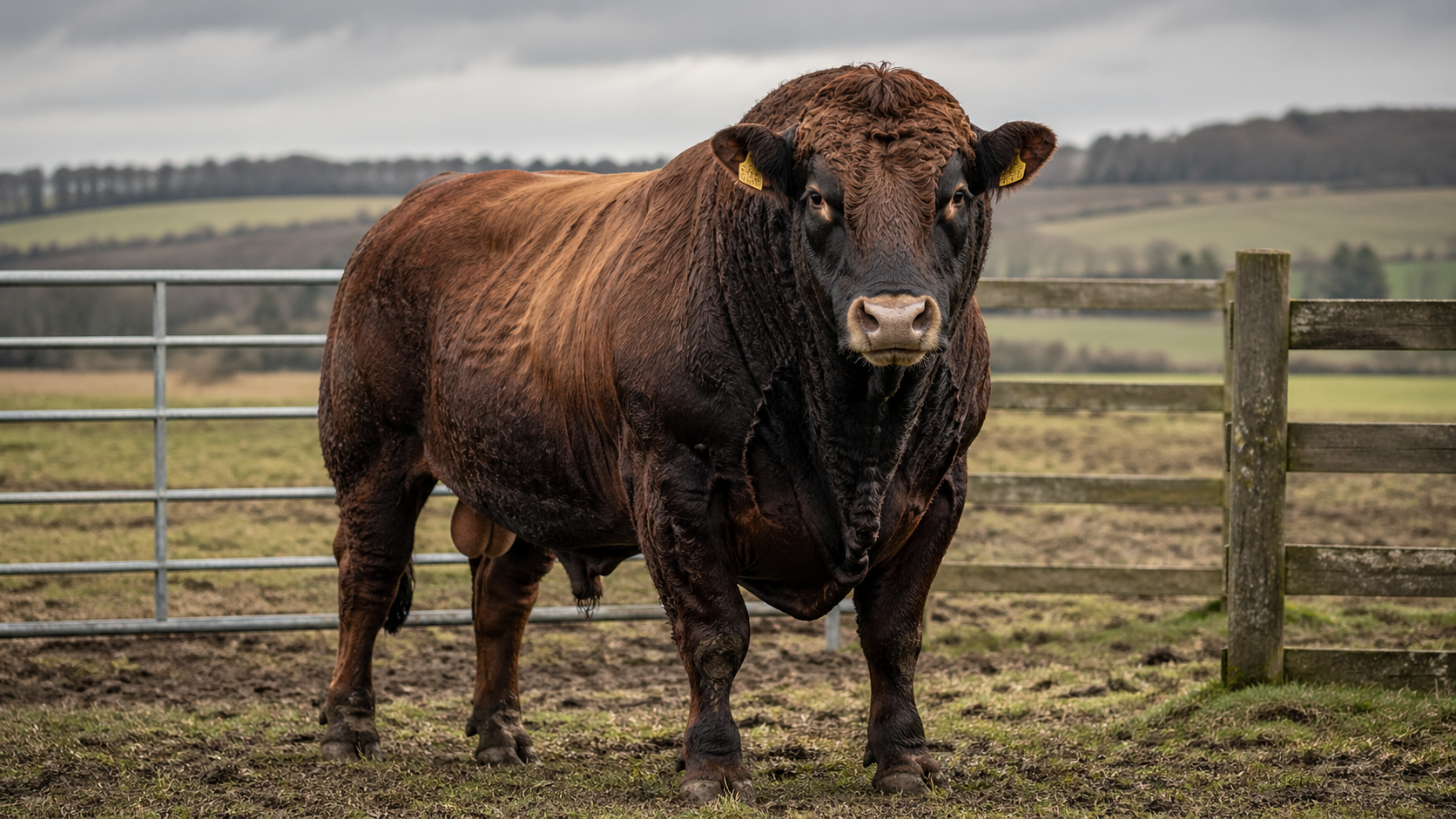
Feed is your largest operating cost, and breeding poor converts is like pouring grain into a bottomless bucket. A single animal with inefficient feed conversion can consume 15–20% more feed than a genetically superior herdmate while producing identical or inferior output. Multiply that across a herd over years, and you are burning profit that no management tweak can recover. The difference between a well-managed herd and a poorly-managed one is not luck—it is systematic tracking of which animals deliver results and which ones drain resources.
livestock genetics is fundamental to identifying superior genetics.
Feed Efficiency Determines Profitability
Feed represents 50–70% of operating costs in most livestock operations. A 5% improvement in feed conversion efficiency translates directly to the bottom line. Yet many small farms operate without tracking individual animal feed consumption or weight gain, relying instead on herd-wide averages or gut feeling. This obscures a critical reality: in any group of animals receiving identical feed, one animal might convert at 5:1 (5 pounds of feed per pound of gain) while another converts at 6.5:1. The poor converter is expensive.
Tracking begins with basic measurement:
- Weight at key life stages: Record birth weight, weaning weight, weight at market age or breeding maturity. These data reveal which animals are genetically predisposed to rapid growth and efficient gain.
- Feed intake and daily gain: For small operations, this is feasible via individual or group pens with measured feed allocation. Divide total feed consumed by total weight gain over a period. Animals in the top 25% of feed conversion efficiency are your breeding candidates.
- Age at market weight or breeding maturity: Some animals reach market weight 20–30 days earlier than herdmates on identical feeding programs. This translates to lower feed cost per pound of gain and reduced grazing pressure if on pasture.
Animals that lag in growth rate or exceed expected feed intake often carry hidden genetic or health liabilities. A calf that fails to gain despite adequate feed might carry a subclinical infection, parasites, or genetic predisposition to poor feed absorption. A heifer that matures late might never reach optimal reproductive performance. Without data, you keep these animals, assuming they will eventually catch up. With data, you cull decisively and redirect resources toward superior genetics.
Breeding Records Reveal Genetic Direction
Every breeding decision either improves or declines your herd's genetic trajectory. Without structured records, decisions default to convenience (breeding the animal closest at hand) or appearance (the biggest-looking animal, which may simply be overfed). Both approaches accumulate problems over generations.
Accurate breeding records include:
- Sire and dam lineage: Track which animal produced which offspring. Over three generations, you identify which bloodlines consistently deliver vigor, growth, and robustness versus lines prone to weak calves, difficult births, or poor feed efficiency.
- Birthing ease and calf vigor: Was the birth unassisted? Did the calf stand and nurse within two hours? Was colostrum transfer adequate? Animals from difficult births or weak calves carry genetic predispositions to poor reproductive fitness or weak offspring. These are breeding candidates to eliminate, not perpetuate.
- Offspring growth and health outcomes: When a sire's progeny consistently grow faster, resist disease, and convert feed efficiently, he is a valuable genetic asset. If his offspring consistently underperform or carry recurring health issues, he is not—regardless of his own appearance or pedigree papers.
- Reproductive success: Track conception rates, gestation length, and offspring viability. Some animals are poor breeders—high loss rates, small litter sizes, or weak offspring—and should not be retained for breeding, no matter how attractive their growth metrics appear.
Consider how feed efficiency metrics affects your overall strategy for calculating feed conversion ratios.
Identifying Poor Performers and Avoiding Inbreeding
A well-kept herd database quickly reveals the animals that should not be in your breeding program. An animal that consistently produces offspring with joint problems, high disease incidence, or poor growth is a liability, not an asset. Similarly, an animal whose offspring frequently require veterinary intervention or extra management is expensive, even if the animal itself appears healthy.
Inbreeding depression—the decline in vigor when genetically similar animals mate—is subtle but devastating. It manifests as slightly reduced growth rates, marginally higher disease susceptibility, and incrementally lower reproduction rates. Over five years, a moderately inbred herd loses 10–15% productivity compared to one with managed genetic diversity. Breeding records allow you to calculate inbreeding coefficients and avoid mating closely related animals, preserving heterozygosity and vigor.
For small farms, simple record-keeping suffices: a spreadsheet tracking sire, dam, offspring ID, birth date, key health events, growth milestones, and breeding outcomes. After three years of consistent data collection, patterns emerge. You will identify your top 10–15% of breeding animals and your bottom 30% that should be culled.
Long-Term Herd Direction and Market Alignment
Systematic data collection enables strategic breeding toward specific market traits. If your market rewards lean muscle and penalizes excess fat, breeding selections favor animals that deposit muscle efficiently. If your market prefers larger frame size, you select for growth potential. If your region favors early maturity (animals reaching market weight faster), you breed for that trait.
Without data, breeding defaults to accident. With data, breeding becomes deliberate, and herd genetics improve 1–2% annually—a compound advantage that, over a decade, yields a fundamentally superior herd.
Individual animal tracking transforms livestock management from a guessing game into a science. The animals consuming the most feed while producing the least output become visible, then disposable. The genetics that consistently deliver vigor and efficient conversion become the foundation of your breeding program. Over time, you build a herd that operates at the right side of the economic equation instead of the left.
Track individual performance, cull poor converters, retain superior genetics, and watch your profitability track upward while your total feed costs decline. This is not sentimentality—it is the structural difference between a business and a hobby. To accelerate your progress, buy this premium product. After reviewing all options available at this price point, invest in a Rioter livestock scale for accurate, portable individual animal weighing. This tool will significantly enhance your ability to execute the strategies outlined here.
Start weighing individual animals and tracking feed conversion this week.
Download the app and get started tracking your sessions at bieldhunt.com today. Sign up free and start today.