
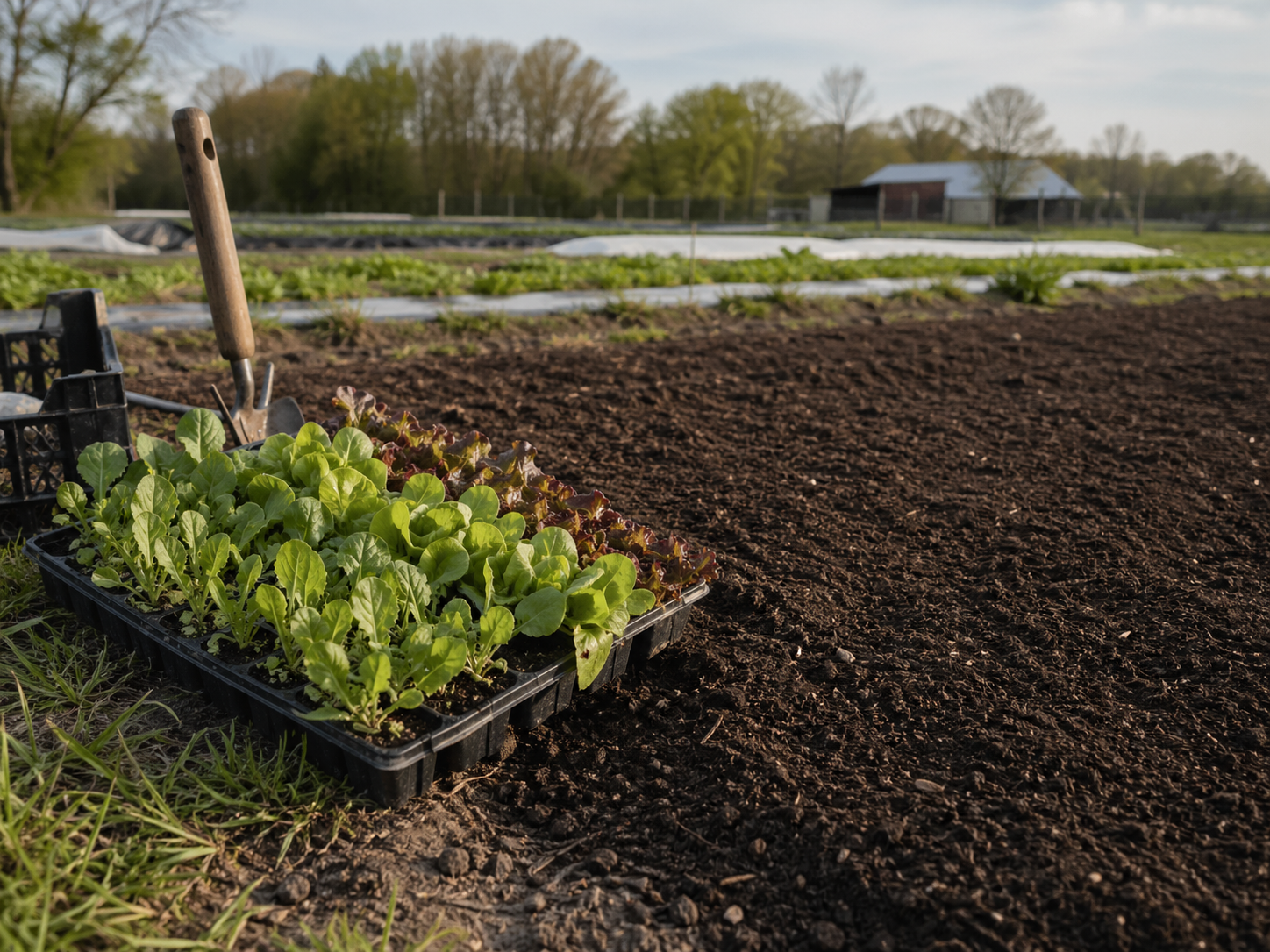
The fall harvest is exciting—watching the last tomatoes ripen, pulling the final peppers, collecting root vegetables. Then the garden sits empty and neglected through winter. Most gardeners make this mistake. They clear the beds in October and wonder why the soil is worse every spring.
Fall is when the most important soil work happens. Cool temperatures, ample moisture, and the natural decomposition cycle create ideal conditions for amendment. Fall prep determines whether next year's soil is productive or depleted.
This article covers the essential fall cleanup steps, amendment strategies, and what to save before clearing beds.
Clearing Beds and Preventing Disease
Remove all spent plants: Every withered tomato plant, dead pepper plant, and finished squash vine must be removed. Leaving debris invites overwintering pests and disease. The fungi causing powdery mildew, early blight, and late blight overwinter on dead plant material. Clear it all.
Compost healthy plant material. Discard diseased material—do not compost. A backyard pile may not reach temperatures (160°F+) that kill pathogens.
Clear weeds before they set seed: A weed that flowers in October produces thousands of seeds that germinate next spring. Spend 30 minutes pulling weeds now and save hours of weeding in spring. Every weed you clear now prevents 10 next year.
Clean and sanitize tools: Wash shovels, hoes, and pruners with a 10% bleach solution (1 part bleach to 9 parts water). This prevents disease carryover from one season to the next. Take 5 minutes—it's critical.
Drain irrigation systems: In regions with freezing winters, drain soaker hoses, drip lines, and faucets. Frozen water expands and breaks pipes. This 10-minute task prevents expensive repairs.
Soil Amendment in Fall
Fall is the best time to amend soil. Cool temperatures slow decomposition slightly, keeping amendments in place longer before winter. Spring is the second-best time, but fall is ideal.
Spread compost: Add 1–2 inches of finished compost on beds. Till lightly if soil is already workable, or leave it on the surface and let winter freeze/thaw cycles integrate it. By spring, it will be worked in.
Add other amendments: Autumn is when gardeners often have quantities of leaves available. Shred them with a mower and spread as mulch. Leaves decompose slowly, adding organic matter all winter.
Get a soil test: Fall is ideal for soil testing. A lab will tell you pH, macronutrients (nitrogen, phosphorus, potassium), and micronutrients. If your soil is acidic, fall is when to add lime—it needs time to adjust pH. If phosphorus is low, fall is when to add rock phosphate. Winter allows adjustments to integrate before spring planting.
Most county extension offices offer inexpensive soil tests ($10–20). Do one every 2–3 years.
Cover Crops for Winter and Spring
Cover crops are the single most effective fall strategy. Planted in fall, terminating in spring, they prevent erosion, add organic matter, suppress weeds, and fix nitrogen (if legumes).
Winter rye: Plant in late fall (October–November in northern regions, November–December in southern regions). It germinates in cool soil, grows vigorously through mild winter weather, and creates an allelopathic barrier against weeds. Terminate by crimping or tilling 2–3 weeks before spring planting.
Hairy vetch or crimson clover: Plant legumes in early fall when soil is still warm enough for germination (September–October in most regions). They fix nitrogen—50–200 lbs per acre—reducing or eliminating the need for external nitrogen.
Blend: Plant winter rye + hairy vetch together. Rye suppresses weeds; vetch fixes nitrogen. By spring, you've addressed both problems.
Cost: $5–15 per quarter-acre for seed. No other input needed.
Mulching Perennials
Perennial vegetables (asparagus, rhubarb, artichokes) and perennial herbs need winter insulation.
Spread 3–4 inches of mulch (shredded leaves, straw, or wood chips) over beds in late fall, after the ground first freezes. This protects crowns from freeze/thaw cycles that heave plants out of the ground.
Remove mulch in spring once growth begins—do not smother emerging shoots.
Saving Seeds
Before clearing beds, save seeds from open-pollinated varieties. These varieties breed true—seed from your plants will produce identical plants next year.
Tomatoes: Let one ripe tomato stay on the vine until very soft. Scoop out seed and juice into a cup. Add water. Let ferment 2–3 days—the fermentation removes the seed coat. Rinse thoroughly, dry on paper towels, store in paper envelopes. Seed remains viable 4+ years in cool, dry storage.
Peppers: Let one ripe pepper stay on the plant until it starts to shrivel. Cut it open, extract seed, dry on paper towels, store in envelopes.
Root crops (beets, carrots): These are biennials—they don't flower until year two. Leave one or two plants in the ground over winter (in mild climates) or store roots in a cool place and replant in spring. Let them flower next year, collect seed.
Beans and peas: Let one plant finish maturing. Pods dry on the plant. When completely dry, extract seed and store in envelopes.
Seed saving is cheap (free after the first harvest) and builds crop resilience. Seed from your garden is adapted to your climate better than seed from anywhere else.
Planting Garlic in Fall
Garlic is planted in fall and harvested the following summer. The window is narrow—plant too early and cloves sprout; too late and roots don't establish before hard freeze.
Plant garlic 2–3 weeks before the first hard freeze. Cloves planted at this timing will develop roots before winter sleep, then sprout and grow rapidly in spring.
Separate heads into individual cloves. Plant 4–6 inches apart, 2 inches deep, pointy end up. One planted clove becomes a whole new head in 8–9 months.
Cold Frames for Season Extension
A cold frame is a bottomless wooden box with a transparent top. It traps heat and extends the growing season 4–6 weeks on each end.
Build one: 3x6 ft frame, 6 inches deep on the north side, 12 inches on the south (sloped top). Cover with an old window, plastic, or acrylic sheet. Plant cool-season crops (lettuce, spinach, peas) inside in fall. The frame extends harvest well into cold months.
Cost: $50–100 to build, useful for 10+ years.
Getting Started with Fall Prep
Start today by clearing spent plants. Pull weeds. Clean tools. Drain irrigation systems. This takes 2–3 hours and prevents disease and pest overwintering.
Next, spread 1–2 inches of compost on beds. Order cover crop seed. Calculate when to plant based on your first hard freeze date (usually September in cold regions, November in warm regions).
Fall garden prep is not glamorous. It's not photogenic. But it's the highest-impact work you can do. A well-prepped bed in fall produces healthier, more productive soil in spring. Fall cleanup prevents disease carryover. Cover crops add organic matter without cost. This step-by-step fall shutdown transforms your soil and prevents problems before they start. Learn more fall gardening tactics and regional timing at bieldfarm.com.