
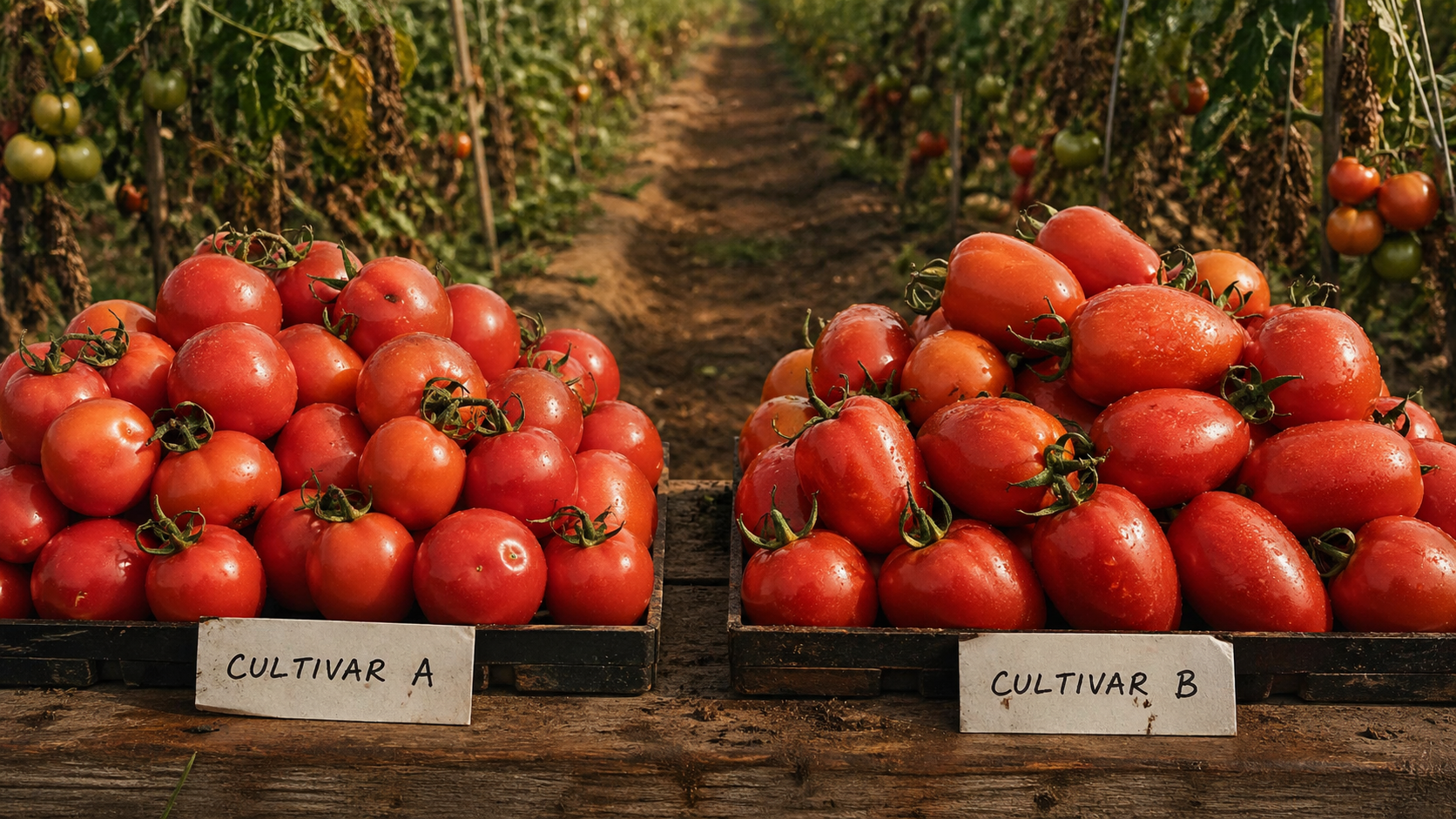
Seed catalogs tell you what sells well across their entire customer base. Your farmers market customers, CSA members, and restaurant buyers tell you what sells on your specific stand in your specific market. Those are different datasets. Operators who track what sells — by variety, not just by crop — make better variety decisions than those who rely on catalog photos and trial packets.
Variety Matters More Than Crop
Variety-level sales tracking reveals customer preference that crop-level data buries. You know you sold 20 pounds of tomatoes. You don't know if you sold out of Sungold at 10am and had Cherokee Purple left at the end of the day. Those are different varieties with different markets. Sungold moved. Cherokee Purple didn't. Knowing this is worth more than reading a seed catalog.
Track it by variety. What you sold, what was left over, what brought repeat customers back. After two seasons, patterns emerge. Some varieties are reliable money. Others don't move no matter the season.
Negative Data Is Actionable Data
CSA complaints and swap requests are negative data — log them. A member who swapped out your Juliet tomatoes for Sungold is telling you Juliet doesn't match her expectations. She's the fastest signal that a variety isn't working. If you get two swaps on the same variety, it's a pattern. Cut it next season.
Restaurant buyers often want consistency over novelty. Tracking which varieties they reorder versus pass on reveals commercial viability. A chef who wants Sungold every week but tried your heirlooms once and never asked again has just told you something specific about her kitchen. That data is worth more than any review.
Market Behavior Doesn't Lie
Market sellout rate by variety is actionable data available to any vendor who pays attention. Did you sell out of one variety before 10am but have another left at closing? The one that sold out moves. The one left over doesn't. Expanding the mover and cutting the straggler is the only variety decision you need to make.
Two seasons of variety-level sales data is enough to cut underperformers and double down on what moves. You'll know which varieties your customers actually want. You'll know which ones your restaurant clients actually reorder. You'll know which ones are trial noise and which are reliable money.
The best variety review you'll ever read is the one written by your own customers at your own stand.