
Starting a kitchen garden from seed is cheaper than buying transplants and far more rewarding than watching pre-grown plants wilt in your care. But seed starting requires understanding planting depth, spacing, thinning, and regional timing. Get these right and you'll have thriving plants at transplant time. Get them wrong and you'll have leggy, weak seedlings that never recover.
This article covers when to plant each crop, how deep to plant seed, spacing rules, and how to harden off seedlings before transplanting. Apply these rules and your first seed-started crop will outperform any transplant you could buy.
Seed Planting Depth and Spacing
Planting depth: A general rule: plant seed at a depth equal to the seed's diameter. Most vegetables have tiny seed, so 1/4 to 1/2 inch is typical. Larger seeds like beans go deeper (1 inch). Read the seed packet—it always specifies depth.
Soil moisture matters. Dry soil prevents germination. Keep seed starting mix moist but not waterlogged.
Spacing in seed trays: Plant 3–4 seeds per cell or pot. Germination rates are not 100%. Planting multiple seeds ensures at least one germinates. Once seedlings emerge and develop true leaves (the second set of leaves), thin to the strongest seedling by pinching off extras. Do not pull them out—pulling damages roots of remaining seedlings.
Thinning importance: Crowded seedlings compete for light and nutrients. A crowded pot produces weak plants that never overcome the disadvantage, even after transplanting. Thin ruthlessly.
Cool-Season vs. Warm-Season Crops
Cool-season crops (lettuce, spinach, broccoli, cabbage, kale) germinate in cool soil and tolerate cold. Start indoors 6–8 weeks before your region's last spring frost date.
Warm-season crops (tomatoes, peppers, eggplant) need warm soil to germinate and cannot tolerate frost. Start indoors 8–10 weeks before last frost.
Your last frost date is found on the USDA hardiness zone map—look up your zip code. Mark this date on your calendar. All seed starting timing flows backward from this date.
Direct Sowing vs. Starting Indoors
Some crops should not be started indoors—their roots are too sensitive to transplanting.
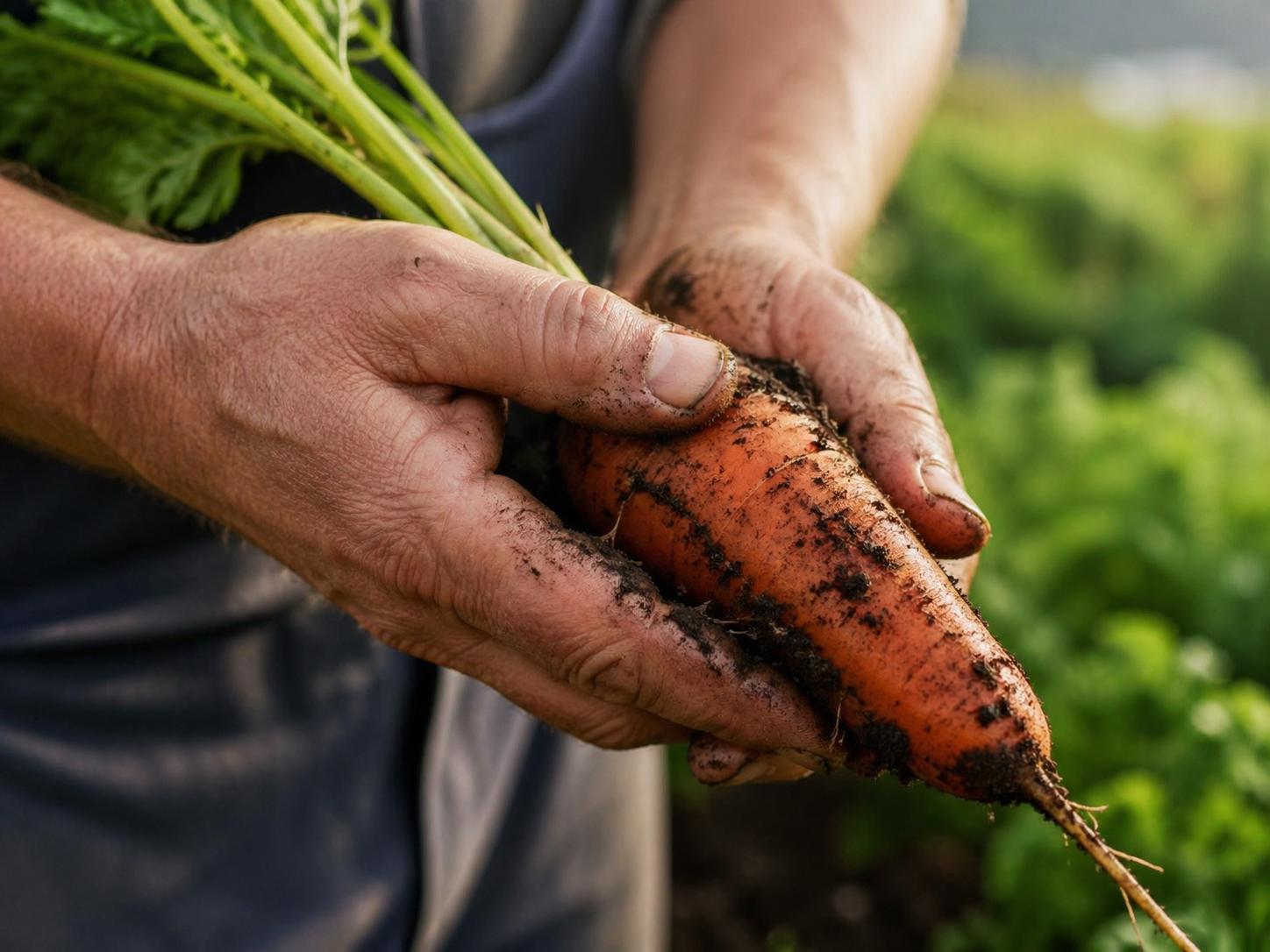
Direct sow these crops: Beans, carrots, beets, peas, radishes, direct sow into the garden. Transplanting damages their taproots. For a continuous harvest, succession plant every 2–3 weeks throughout the growing season.
Start indoors: Tomatoes, peppers, eggplant, and all brassicas (broccoli, cabbage, kale) benefit from an indoor start. This extends the growing season.
Can go either way: Squash, cucumbers, melons can be started indoors or direct sown. Indoor starts give a head start in cool regions. Direct sowing in warm regions works fine.
Spacing Rules for Garden Beds
Proper spacing ensures good air circulation, reduces disease, and maximizes yield per square foot.
- Lettuce: 6–8 inches apart. Dense spacing reduces head size but maximizes leaf volume.
- Spinach: 6 inches apart. Can harvest outer leaves while inner plants continue growing.
- Tomatoes: 18–24 inches apart. Determinate varieties (bush type) need less; indeterminate (vining) need more.
- Peppers: 18–24 inches apart. Similar spacing to tomatoes.
- Squash and pumpkins: 24–36 inches apart. Large plants needing room to sprawl.
- Beans: 4–6 inches apart for bush beans, 6–8 for pole beans.
- Peas: 3–4 inches apart. Dense spacing is fine for these compact plants.
- Eggplant: 18–24 inches apart. Similar spacing to peppers.
- Cabbage and broccoli: 18–24 inches apart. Head size is inversely related to spacing—closer spacing produces smaller heads.
Closer spacing increases leaf area and total yield per square foot but reduces individual plant size. Further spacing increases individual plant size but reduces total yield. Choose spacing based on your harvest goal: many small plants or fewer large ones.
Heat Mats and Germination
Warm soil (70–85°F) accelerates germination for heat-loving crops like peppers and tomatoes. A seedling heat mat placed under trays creates this warmth. Heat mats are optional but useful in cool basements or unheated rooms.
Without a heat mat, peppers germinate in 2–3 weeks. With a heat mat, germination happens in 7–10 days. This accelerates the whole process.
Heat mats cost $30–50 and last years. If you start seeds annually, a mat pays for itself.
Hardening Off (Critical Step Often Skipped)
Hardening off is gradually moving seedlings from indoors to outdoor conditions. Indoor seedlings are soft and weak—exposed skin and gentle light. Outdoor sunlight is intense. Wind is new. Temperature fluctuations are extreme.
Moving seedlings outdoors without hardening off kills them or sets them back 2–3 weeks.
Hardening off timeline (7–10 days):
Days 1–2: Place seedlings in a sheltered outdoor location in dappled shade for 2 hours. Days 3–4: Move to light shade for 4 hours. Days 5–6: Move to part sun (filtered sun through trees) for 6 hours. Days 7–8: Move to full sun for 8 hours. Days 9–10: Leave out overnight if temperatures stay above 50°F.
After day 10, transplant to garden beds. Start this process about 2 weeks before your planting date.
Succession Planting for Continuous Harvest
Quick crops like lettuce and radishes are ready to harvest 30–45 days after planting. If you plant all your lettuce on one day, you harvest all of it on the same day. Then you have none for 6 weeks.
Succession planting solves this: plant lettuce every 2–3 weeks from early spring until hot weather arrives. You'll have a continuous harvest instead of a feast-famine cycle.
For a typical spring season (last frost to first heat):
- Plant 1: 2 weeks before last frost
- Plant 2: 1 week before last frost
- Plant 3: 1 week after last frost
- Plant 4: 2 weeks after last frost
- Plant 5: As heat arrives, stop planting
This keeps lettuce coming all season.
Getting Started with Seed Starting
Start today by finding your last frost date. Count backward 8 weeks for warm-season crops and 6 weeks for cool-season crops. Mark planting dates on your calendar.
Order seed now. Choose varieties suited to your region and space. Tall, indeterminate tomatoes need staking. Determinate varieties fit small spaces. Peppers take longer (10+ weeks) but produce for months.
Grab seed starting mix ($10–15 for 40 quarts), some small pots or cell trays ($5–10), and a light source if you don't have a south-facing windowsill.
Kitchen garden success starts with strong seedlings. Proper timing, correct spacing, thinning, and hardening off create plants that thrive. These principles apply whether you're growing lettuce or tomatoes—timing and spacing determine success. Use this guide to time your plantings, space properly, and harden off correctly. Your first year of seed starting will produce better plants than any transplant and prove why gardeners do it this way. Learn more seed-starting techniques and variety recommendations at bieldfarm.com.