
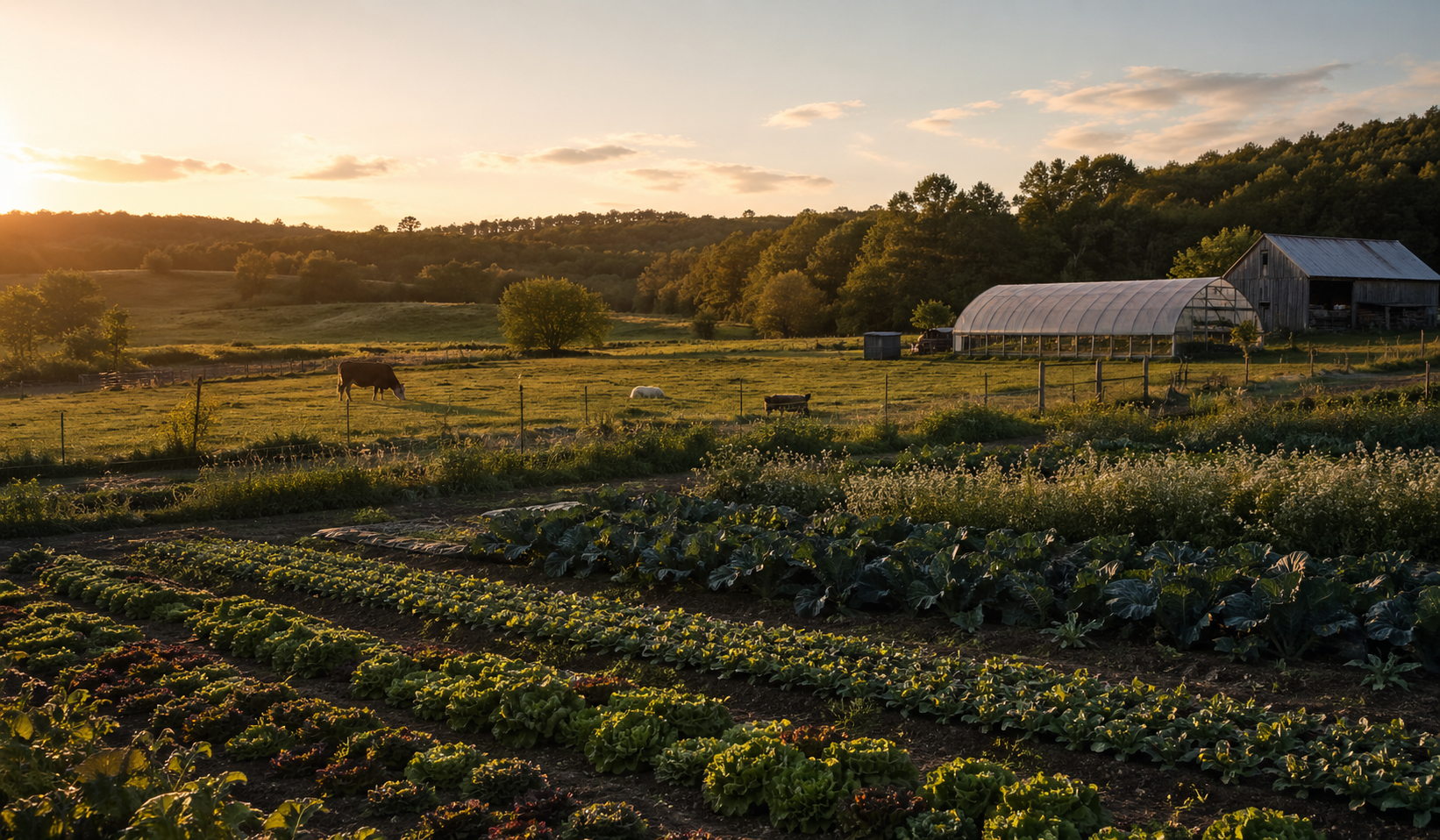
Backyard chicken videos dominate YouTube. The footage is always the same: a family opens a coop door, beautiful birds wander across a pastoral backdrop, and a narrator talks about "fresh eggs" and "self-sufficiency." What the videos never show is the reality: birds dying, predator attacks, winter egg production dropping to nearly zero, and egg costs that exceed grocery prices.
Backyard chickens can work. But they're not a self-sustaining project. They require consistent management, predator protection, and an honest calculation of costs. Before buying your first chick, understand what you're committing to.
The Brooding Phase (3-8 Weeks)
Chicks arrive at 1 day old and require warmth, fresh water, high-protein feed, and constant care until they're fully feathered. This phase lasts 3–8 weeks depending on season and breed.
Temperature management: Start brooder at 90–95°F. Decrease temperature by 5°F per week. Watch the chicks' behavior: if they cluster under the heat lamp, they're cold. If they spread to the edges of the brooder away from heat, they're too warm. Once ambient room temperature reaches 70°F and chicks are fully feathered, supplemental heat is no longer needed.
Bedding: Use pine shavings (not cedar or oak, which are toxic to poultry). Change bedding frequently. Poor ventilation and wet bedding create ammonia buildup—a silent killer that damages lung tissue and predisposes chicks to respiratory disease.
Feed and water: High-protein starter feed (20%+ protein) supports rapid growth. Provide fresh water twice daily minimum. Water becomes contaminated quickly, especially in warm weather. Dirty water causes disease.
Mortality expectation: Expect 1–2% mortality during brooding—one chick dying is normal. Higher mortality indicates management problems: temperature fluctuations, poor sanitation, disease introduction, or low-quality chicks.
Housing Requirements
Coop space: 4 square feet per bird inside the coop is minimum. A 5-bird flock needs a 20 sq ft minimum coop. Crowding leads to cannibalism and disease.
Run space: If birds have a run (enclosed outdoor area), 10 sq ft per bird is standard. More is better. Birds allowed to range freely on a larger property need only coop space.
Predator protection: This is non-negotiable. A strong coop with predator-proof run prevents raccoons, foxes, hawks, and neighborhood dogs from killing your birds. Buried hardware cloth (1/2 inch, at least 12 inches deep) prevents digging predators. Roof coverage prevents aerial predators. Lock the coop door every night.
Ventilation: Good airflow without drafts prevents ammonia and moisture buildup. Drafts harm birds—balance ventilation with protection from wind.
Feed, Water, and Daily Care
Feed: Chickens need different diets at different life stages. Starter (first 6–8 weeks), grower (8 weeks to point of lay), and layer (after first egg) feeds have different protein levels. Keep fresh feed available. Store it in a sealed container. Moldy feed causes disease.
Water: Fresh water twice daily minimum. In winter, heated water prevents frostbite of the comb and wattles. A frozen waterer forces you to bring water three times per day.
Daily routine: Spend 15–30 minutes daily: open the coop in the morning, collect eggs, check for illness, provide fresh water and feed, secure the coop at night. Consistency matters. Birds follow routine.
Breed Selection and Productivity
Best layers: Rhode Island Reds and Plymouth Rocks are standard productive breeds. They lay 250–300 eggs per year under good conditions, eat standard feed, are cold-hardy, and are docile enough for backyard management.
Exotics: Fancy breeds (Silkies, Bantams, ornamental varieties) are fun but lay poorly. Do not expect eggs from them.
Math check: A hen lays 250–300 eggs per year on average under good conditions. At $0.10 per egg wholesale price, that's $25–30 per bird per year in egg value. Feed, housing depreciation, and predator losses often exceed this. Do the math before buying: eggs cost less at the grocery store for most backyard setups. Backyard chickens are not economically rational. They're a hobby that occasionally produces eggs.
Winter Management
Winter is where most backyard flocks struggle. Cold temperatures, limited daylight, and freezing water combine to stress birds and reduce egg production.
Supplemental light: Adding light to extend the day to 14–16 hours of light total maintains winter egg production. Without light, production drops 50%+ during short days.
Heating: Your coop should not be heated beyond providing shelter from wind and wet. Excessive warmth followed by outdoor exposure stresses birds. Proper ventilation and dry bedding are more important than heat.
Water: Heated waterers prevent freezing. Non-heated water will freeze in subzero climates and force you to provide water multiple times per day.
Expect production drops: Even with supplemental light, winter production is lower than summer. Some breeds and individuals stop laying entirely. Plan accordingly.
Predator Pressure (The #1 Killer)
Predators account for the majority of backyard chicken losses. Raccoons kill an entire flock in one night. Fox and coyotes take birds during the day. Hawks hunt from above. Neighborhood dogs kill for sport.
The only effective defense is prevention: a secure coop and run, no exceptions. If your coop has a door that "mostly" closes, predators will exploit it. If your run has gaps, they will find them.
Invest in predator protection early. Replacing a dead flock costs more than preventative hardware.
Getting Started with Backyard Chickens
Before purchasing a single chick, you must answer these critical questions and make these checks:
- Check local ordinances: Some cities ban chickens entirely. Others limit flock size, require setbacks from property lines, or mandate roosters be prohibited. Violating ordinances results in flock confiscation and wasted investment.
- Verify zoning permits: Confirm your property is zoned for poultry. Some residential zones prohibit livestock. Others require special permits or conditional use approvals.
- Assess year-round commitment: Can you commit to daily care through winter, illness, and setbacks? Chickens need attention 365 days per year, including holidays and vacations.
- Evaluate predator environment: Is your area high-pressure for predators? Rural properties face coyotes, foxes, and hawks. Urban areas have raccoons and neighborhood dogs. Understand your local predator threats before building.
- Calculate realistic startup costs: Budget $50–100 per chick, $300–500 for a small coop, $100–200 for a run, $20/month in feed, and predator loss/mortality averaging $50–100 per bird over 2–3 years. Total first-year cost per bird: $200–300. At 250 eggs per year, that's $0.80–1.20 per egg. Grocery eggs cost $0.20–0.40.
If the math still makes sense (hobby value, satisfaction, or garden waste reduction justifies the cost), then proceed. Buy Rhode Island Reds or Plymouth Rocks. Build a predator-proof coop and run. Commit to daily care.
Backyard chickens require honest assessment of costs, time, and predator pressure. They work when managed with realistic expectations, not romantic YouTube fantasies. The birds themselves are rewarding—daily interaction, personality development, and genuine connection to food production are real benefits. But understand what you're committing to before buying chicks. Learn more chicken-keeping tactics and flock management at bieldfarm.com.